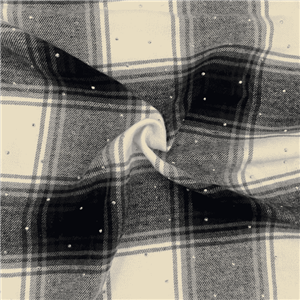
Tecidos tingidos com fios são adequados para o verão?
Lavar em água fria: Isso ajuda a manter a resistência ao encolhimento e evita que os fios pré-tingidos percam a vivacidade das cores.Evite alvejantes agressivos: O alvejante pode danificar a estrutura do tecido e arruinar os belos padrões da trama.Secar ao ar livre sempre que possível: A secagem natural evita que o calor intenso da secadora danifique as fibras, garantindo que as roupas de verão mantenham sua forma.
Conclusão: Vale a pena investir em tecidos tingidos com fios para o verão?
No debate sobre os melhores materiais para o calor, o tecido tingido em fio surge como um claro favorito. Seu processo de produção único, que utiliza fios pré-tingidos e uma meticulosa técnica de tecelagem de urdidura e trama, resulta em um produto que se destaca em respirabilidade, absorção de umidade e solidez da cor.
Seja um clássico terno de seersucker, uma camisa leve de chambray ou um vestido xadrez atemporal, optar por tecidos tingidos com fios garante que você não precise sacrificar o estilo pelo conforto. Ao prestar atenção à gramatura do tecido (GSM) e priorizar fibras naturais, você pode construir um guarda-roupa de verão fresco, durável e elegantemente descomplicado.
Então, o tecido tingido com fios é ideal para o verão? Sem dúvida. É o investimento perfeito para quem busca enfrentar o calor com elegância e conforto.
Because the color penetrates to the core of each fiber, yarn dyed fabric possesses a depth of color and a structural integrity that other methods simply cannot match.
Key Benefits of Yarn-Dyed Fabrics for Hot Weather
When evaluating a material for summer, performance is everything. Yarn dyed fabric excels in several categories that directly impact wearer comfort during a heatwave.
Superior Breathability and Natural Airflow
The primary reason yarn dyed fabric is favored for summer is its exceptional breathability. Because the patterns are created by the weaving of pre-dyed yarns, the spaces between the threads remain open and unobstructed by heavy pigments or synthetic printing pastes. This enhances the air permeability of the garment, allowing a constant flow of air to reach the skin. This natural ventilation is crucial for maintaining a stable body temperature when the sun is at its peak.
Exceptional Colorfastness Against UV Exposure
Summer means long hours of sun exposure, which can be brutal on fabric dyes. Yarn dyed fabric is renowned for its superior colorfastness.
Effective Moisture Management and Comfort
Sweating is the body's natural cooling mechanism, and your clothes should assist that process.
Premium Textured Aesthetic and Hand-feel
There is an undeniable "premium" feel to yarn dyed fabric. Because the design is part of the weave, the fabric often has a richer texture and a more substantial hand-feel without being heavy. Whether it’s a crisp cotton yarn-dyed shirt or a soft gingham dress, the tactile experience is superior. The woven patterns have a three-dimensional quality that adds a touch of luxury to casual summer outfits.
Enhanced Structural Durability
Durability is a hallmark of the yarn-dyeing process. The interlacing of colored warp and weft threads creates a robust fabric that holds its shape well. Unlike printed fabrics, which may peel or crack over time, the patterns in yarn dyed fabric are permanent.
Yarn-Dyed vs. Printed Fabrics: Which is Better for Heat?
When shopping for summer, you will often choose between a yarn dyed fabric and a printed fabric.
Printed fabrics often use a layer of ink or pigment that sits on top of the fibers.
In contrast, yarn dyed fabric integrates the design into the weave.
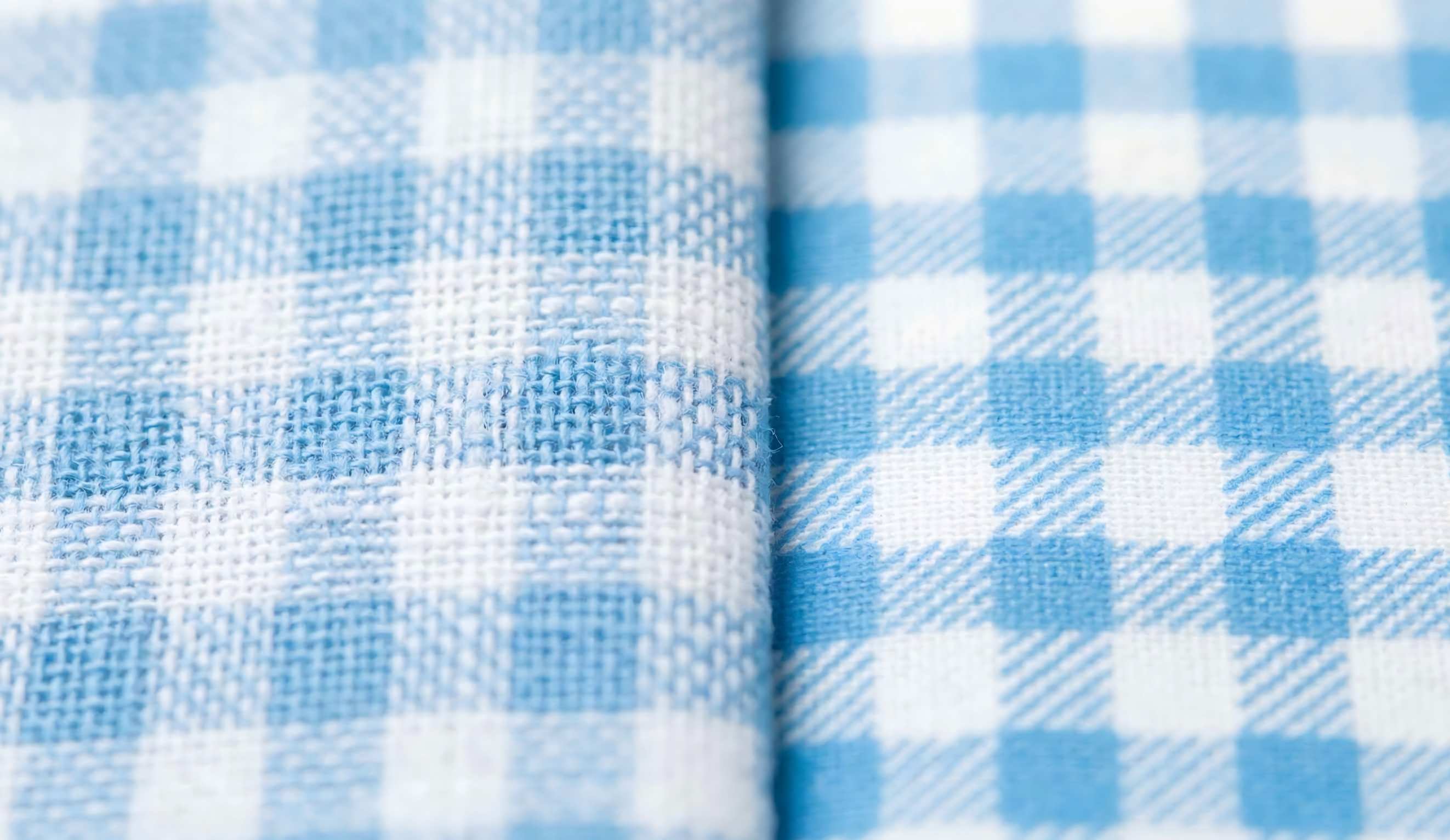
Best Types of Yarn-Dyed Fabrics for Summer Clothing
Not all yarn dyed fabric is created equal. Depending on the weave and fiber, some are legendary for their cooling abilities.
Seersucker: The Ultimate Cooling Texture
Seersucker is perhaps the most famous yarn dyed fabric for summer. It is characterized by its unique "puckered" texture, which is achieved by varying the tension in the warp and weft during weaving.
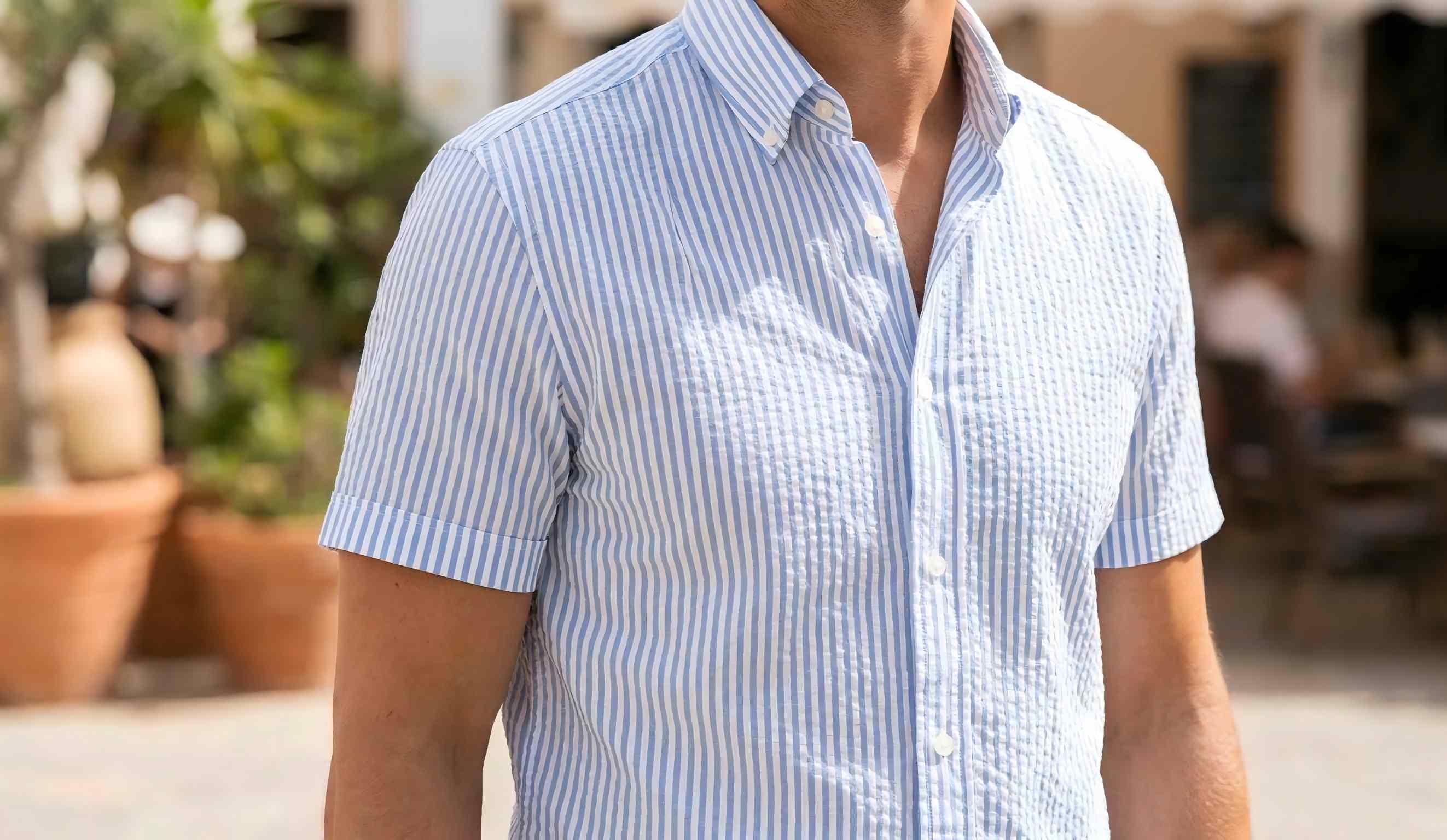
Chambray: Lightweight Denim Alternative
If you love the look of denim but find it too heavy for July, chambray is the answer. Chambray is a plain-weave yarn dyed fabric that typically features a colored warp and a white weft.
Linen Blends: Maximum Ventilation and Softness
Linen-cotton blends that are yarn-dyed offer the best of both worlds. Linen provides unparalleled air permeability and a cool-to-the-touch feel, while cotton adds softness and improves shrinkage resistance. When these natural fibers are combined in a yarn-dyed format, the result is a sophisticated, highly breathable fabric that defines summer elegance.
Critical Considerations for Summer Selection
To get the most out of your yarn dyed fabric, you need to look beyond the pattern and check the technical specifications.
Evaluating Fabric Weight and Weave Density (GSM)
The fabric weight (GSM)—grams per square meter—is a critical metric.
Fiber Composition: Natural vs. Synthetic Blends
While the dyeing method matters, the fiber is the foundation. Always prioritize natural fibers. A 100% cotton yarn-dyed fabric or a linen-rich blend will always outperform polyester in the heat. Natural fibers are inherently better at moisture-wicking and allowing for heat dissipation.
Pattern Selection: Stripes, Checks, and Solids
The beauty of yarn dyed fabric lies in its variety. For summer, lighter colors are generally preferred as they reflect heat.
Potential Drawbacks: Shrinkage and Weight Management
While yarn dyed fabric is excellent, it is not without its challenges. Because many high-quality versions are made from natural fibers, they may lack the high shrinkage resistance of synthetic materials. It is common for cotton yarn-dyed garments to shrink slightly during the first few washes if not handled correctly. Additionally, some yarn-dyed weaves can be heavier than their piece-dyed counterparts because of the density of the thread count required to create specific patterns.
Maintenance Tips for Yarn-Dyed Summer Garments
To preserve the durability and colorfastness of your yarn dyed fabric, proper care is essential:
Wash in Cold Water: This helps maintain shrinkage resistance and prevents the pre-dyed yarns from losing their vibrancy.
Avoid Harsh Bleach: Bleach can damage the textile structure and ruin the beautiful woven patterns.
Air Dry When Possible: Natural drying prevents the high heat of a dryer from breaking down the fibers, ensuring the summer apparel retains its shape.
Conclusion: Is Yarn-Dyed Fabric Worth the Summer Upgrade?
In the debate over the best materials for the heat, yarn dyed fabric emerges as a clear frontrunner. Its unique production process, utilizing pre-dyed yarns and a meticulous warp and weft weaving technique, results in a product that excels in breathability, moisture-wicking, and colorfastness.
Whether you are choosing a classic seersucker suit, a breezy chambray shirt, or a timeless gingham dress, opting for yarn dyed fabric ensures that you don't have to sacrifice style for comfort. By paying attention to fabric weight (GSM) and prioritizing natural fibers, you can build a summer wardrobe that remains cool, durable, and effortlessly elegant.
So, is yarn dyed fabric for summer? Absolutely. It is the ultimate investment for anyone looking to navigate the heat with grace and comfort.
Para preservar a durabilidade e a solidez da cor do seu tecido tingido com fios, os cuidados adequados são essenciais: